
Articles and guides from the McFadden team in the Regulations and standards category.
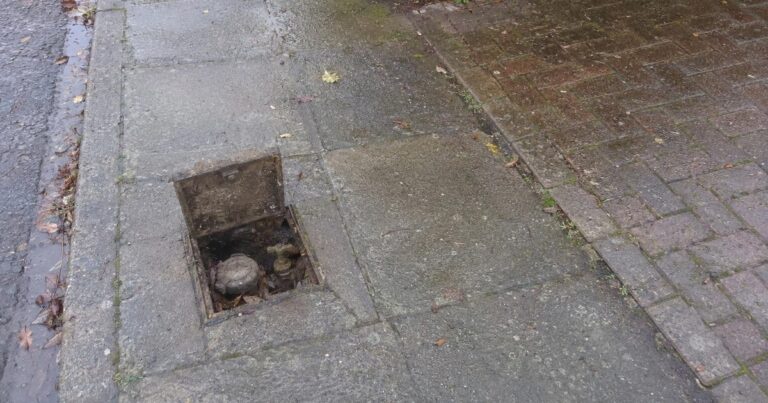
Low water pressure in the whole house? Two checks show if it's the water company or your supply pipe, what the legal minimum is, and how it's fixed.
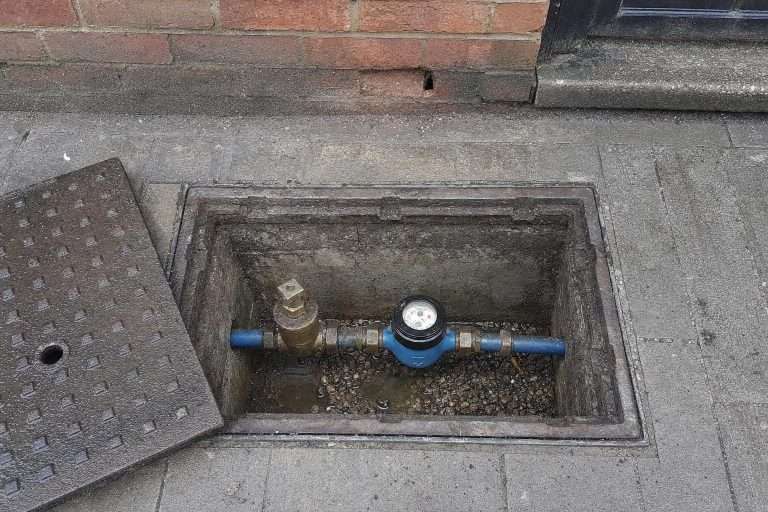
Who owns a business water meter, how to get it replaced or moved, and what Affinity and Thames charge in 2026/27, plus where your own contractor fits.

How to tell if you have lead water pipes, what the law says, who pays for which part, and what Thames, Affinity and SES do when you replace yours.

Who is responsible for a shared water supply, when the water company can make you separate, and what Thames and Affinity charge to split it in 2026/27.

What a statutory undertaker is under UK planning, street works and contract law, who counts, what rights they hold, and why a self-lay provider isn't one.

What the NRSWA Red Book is, who issues it, which roads it covers, how it differs from Chapter 8, and which edition is current. Explained by a UK contractor.

A practical guide to Section 278 agreements: what they cover, how the process and bond work, how they differ from Section 38 and 106, and how long they take.

What a Section 38 agreement is, how a new estate road is built to an adoptable standard, and how the process, bonds and maintenance period actually work.

What lane rental is, where it applies in the UK, the £2,500 a day charge and who pays, and how a contractor keeps lane rental charges down on street works.

A clear guide to WIAPS: who runs it, the sectors it covers, what a WIAPS certificate means, how it differs from WRAS, and how it relates to WaterSafe.

What WIRS accreditation is, how WIRS differs from WIRSAE, what partial and full accreditation mean, and how to check a self-lay provider on the LRQA register.

What a new water connection costs in 2026/27: the water company charges, the construction, the main companies compared, and how self-lay cuts the bill.
Whether you're a developer planning a self-lay scheme, a water company responding to a burst, or a Tier 1 contractor looking for utility subcontracting capacity, we'd welcome the conversation.
Phone: 01707 648 420
Email: [email protected]