
Practical articles from the McFadden team. Self-lay guides, utility industry updates, accreditation explainers, and project insights from 40 years of doing the work ourselves.

Can you lay tarmac in the rain? Usually, yes. Why standing water, not rain, stops a surfacing job, who makes the call and what to ask first.
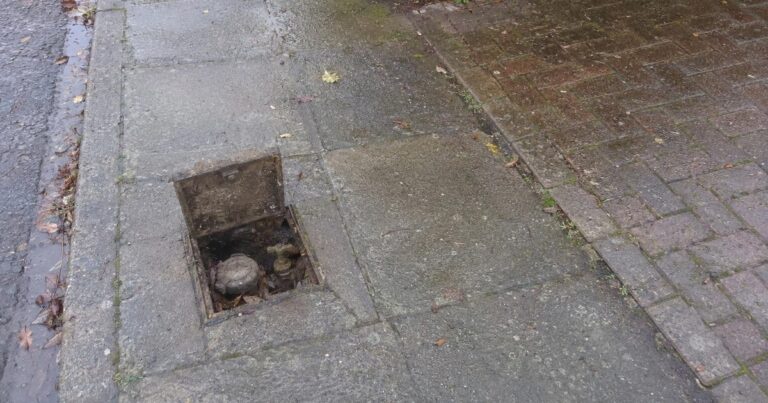
Low water pressure in the whole house? Two checks show if it's the water company or your supply pipe, what the legal minimum is, and how it's fixed.
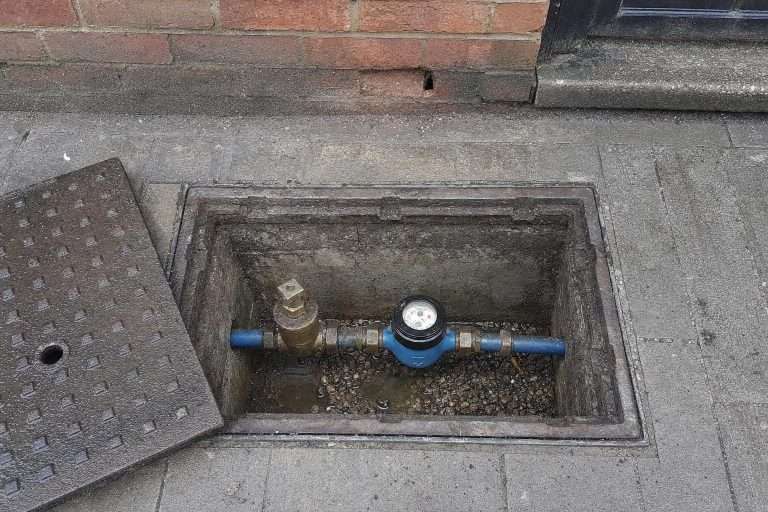
Who owns a business water meter, how to get it replaced or moved, and what Affinity and Thames charge in 2026/27, plus where your own contractor fits.

Tarmac and asphalt are the same material in the UK today. Where the names come from, the asphalt types you'll be quoted for, and what to ask for.

How to tell if you have lead water pipes, what the law says, who pays for which part, and what Thames, Affinity and SES do when you replace yours.

Who is responsible for a shared water supply, when the water company can make you separate, and what Thames and Affinity charge to split it in 2026/27.

How long does tarmac take to dry? Hot lay is ready when it's cool, not after a set number of days, and cold applied sets on its own schedule. What the UK standards say.

What a statutory undertaker is under UK planning, street works and contract law, who counts, what rights they hold, and why a self-lay provider isn't one.

Tier 1, 2 and 3 contractors explained: where the UK definitions actually come from, why turnover is the wrong test, and what your tier means for getting paid.

What a utility contractor is, what the job covers, the accreditation that defines one in the UK, and where their responsibility ends and the water company's begins.

What directional drilling really costs in the UK: published water company rates, lane rental and permit charges, and when HDD costs more than trenching.

Directional drilling in oil and gas and HDD on UK utility schemes share a name and little else. Where the two disciplines actually diverge.

Directional drilling explained step by step: pilot bore, back-reaming and pullback, plus the UK depth, clearance and permit rules that govern the bore.
Whether you're a developer planning a self-lay scheme, a water company responding to a burst, or a Tier 1 contractor looking for utility subcontracting capacity, we'd welcome the conversation.
Phone: 01707 648 420
Email: [email protected]